

 Auctions by category
Toy Auctions: Buying Vintage, Collectible and New Toys Online
Toy auctions sell vintage toys, action figures, die-cast cars, model trains, dolls, building sets, plush and new returned toys, often in lots. Collectors pay most for complete, boxed pieces in great condition, while loose and incomplete toys sell cheaply. Check for missing parts, box damage, battery corrosion and recalls, and add the buyer's premium before bidding.
Open now on Auktia
What toys come up at auction?
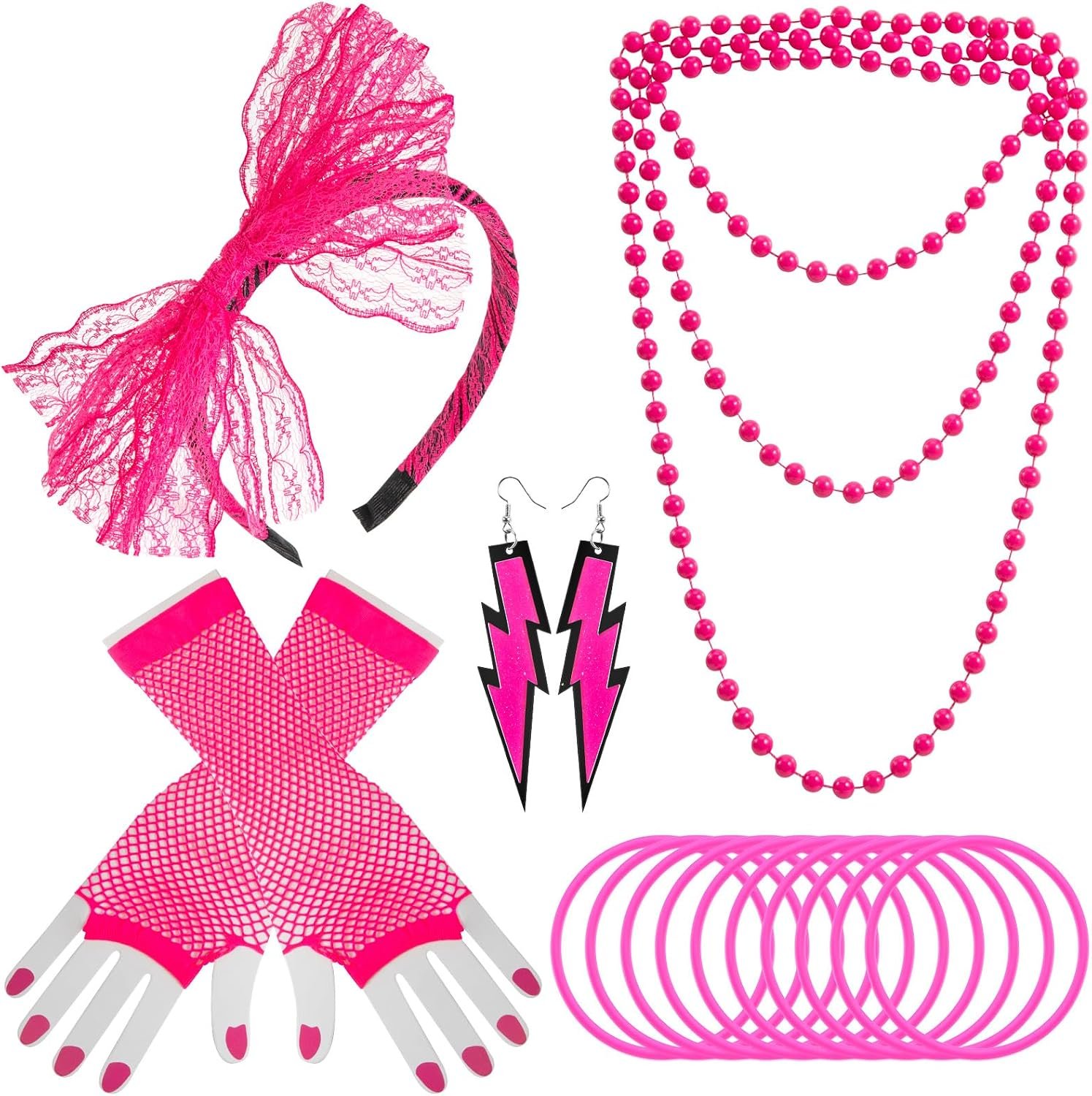
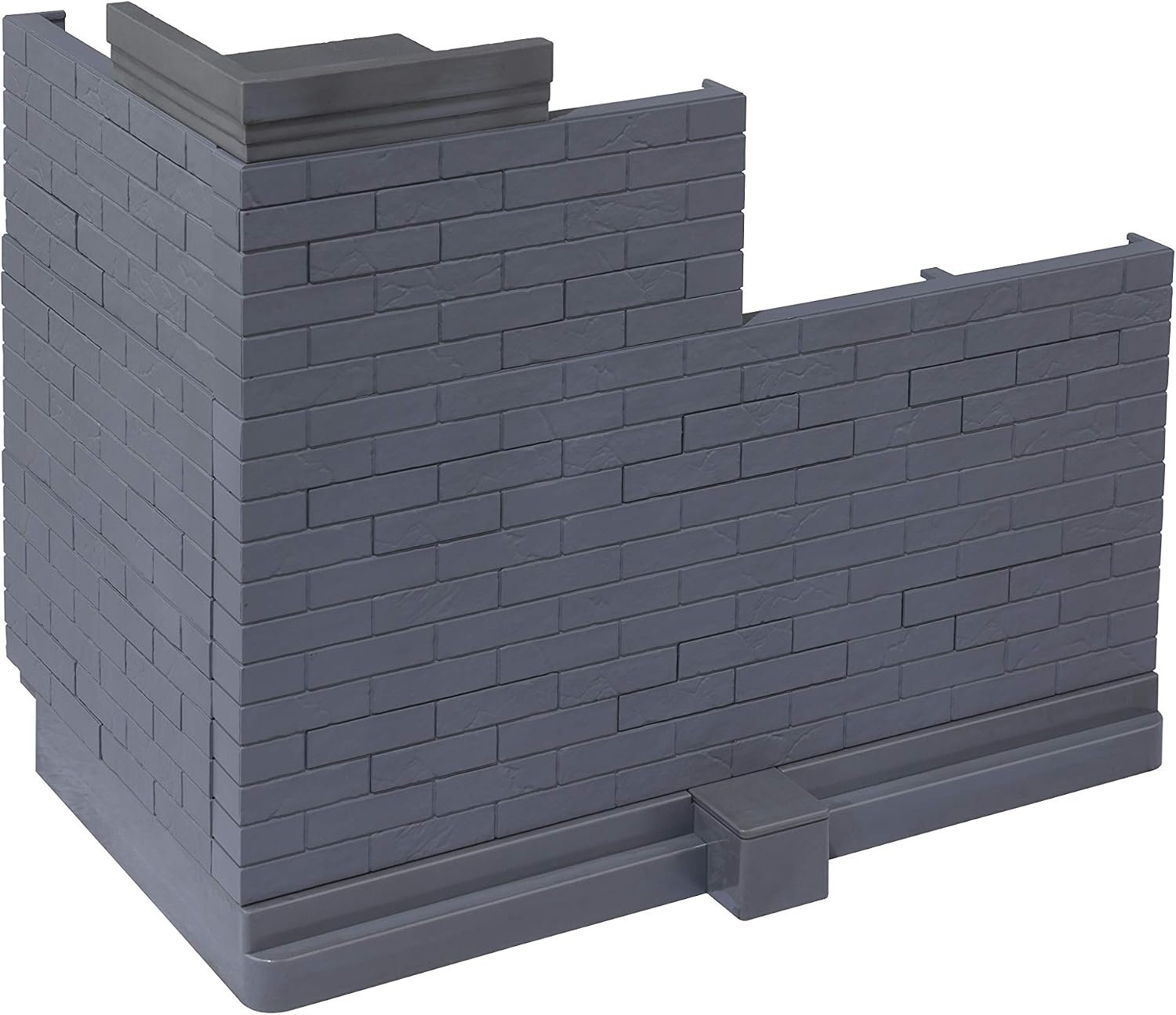
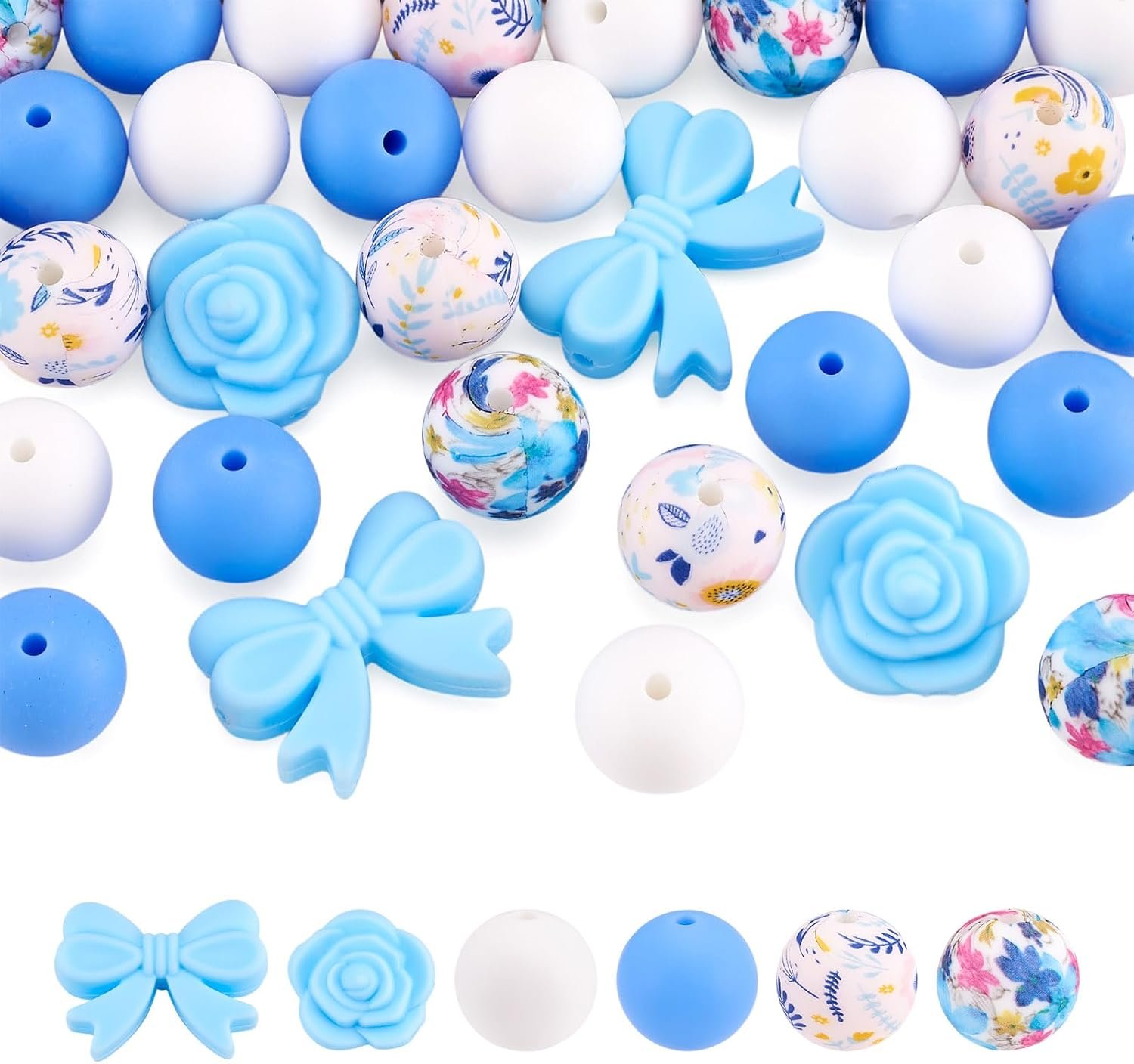
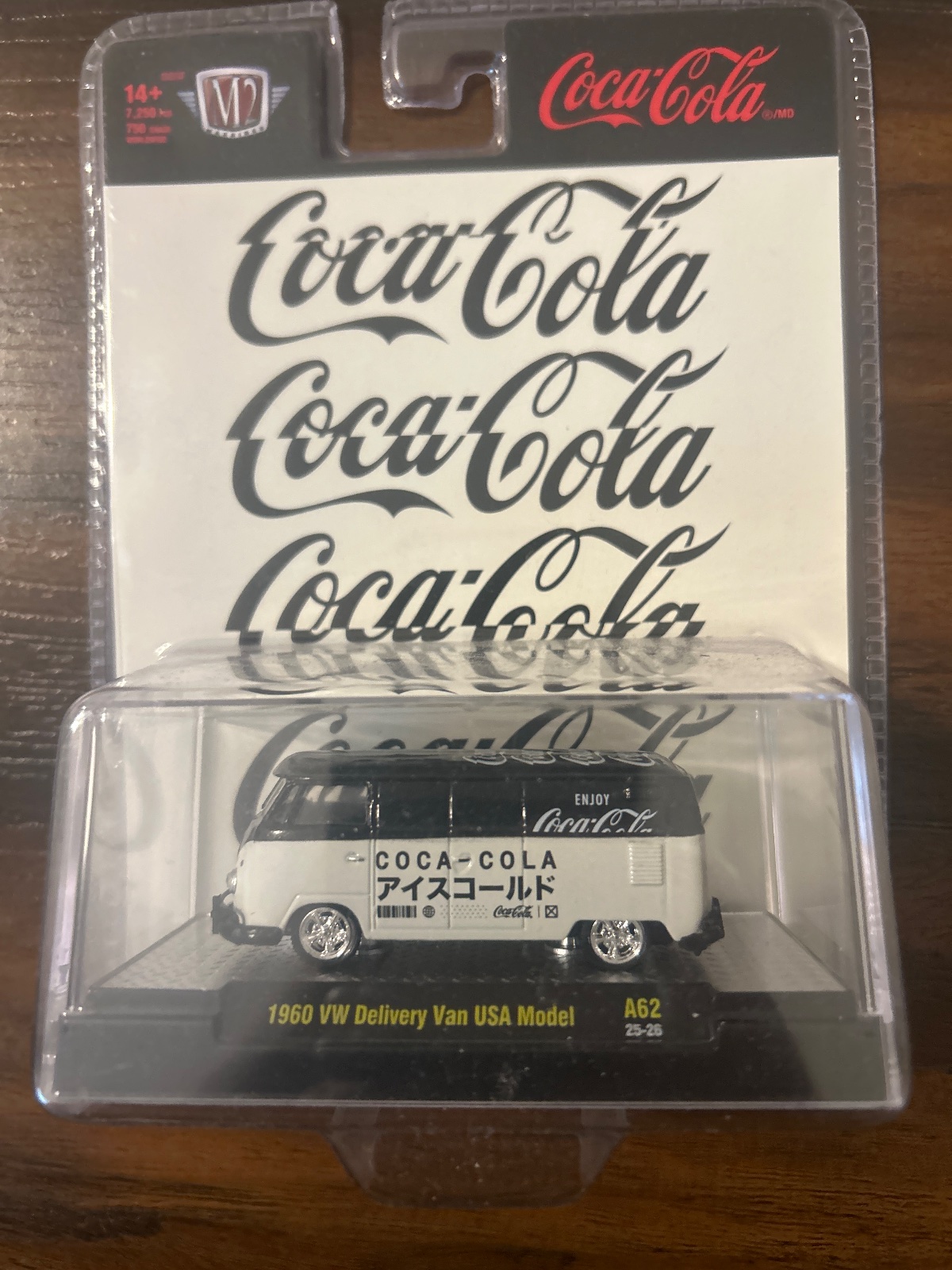
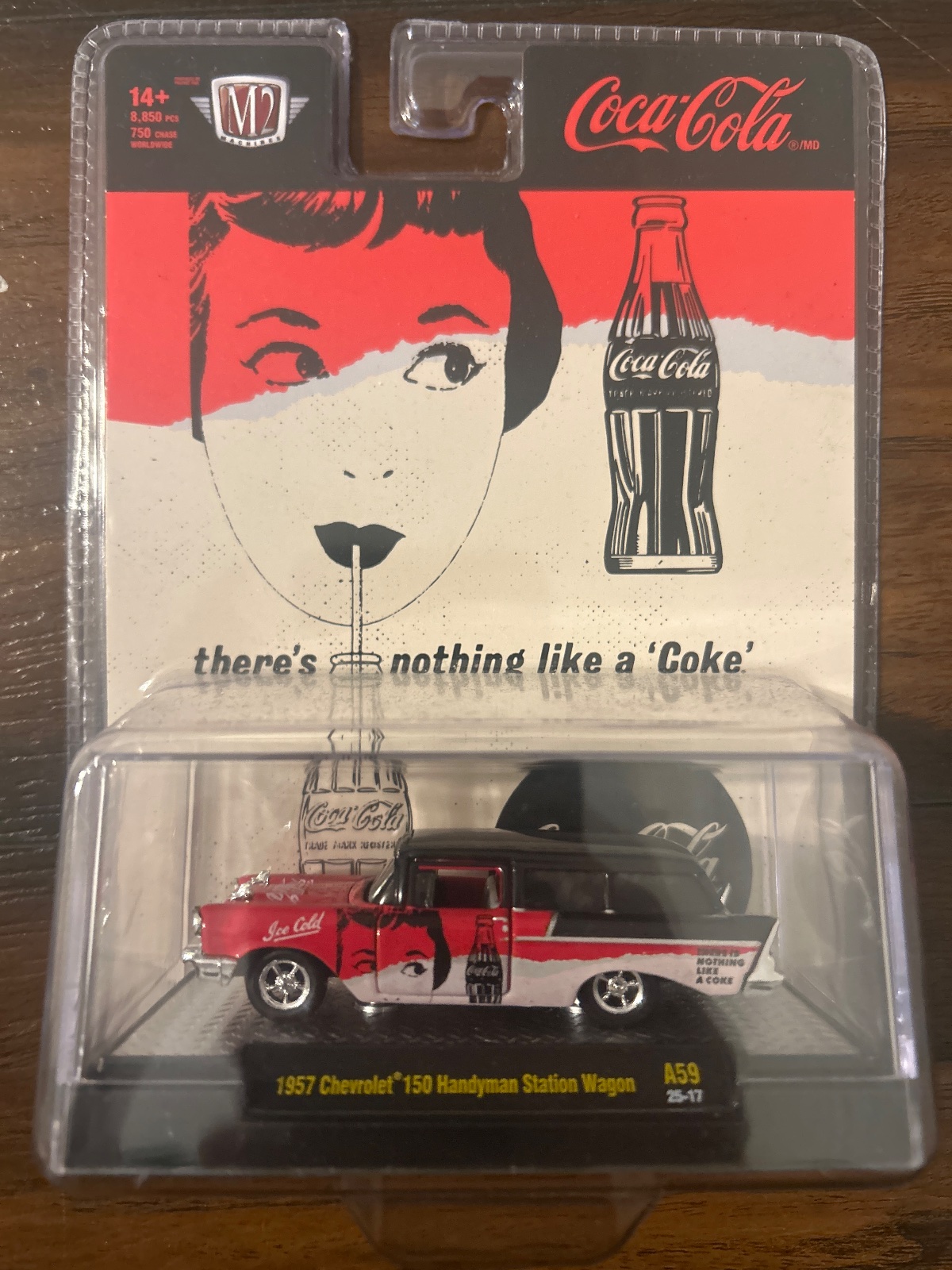
Estate and collection sales bring vintage action figures, die-cast cars, model trains, tin toys, dolls, board games and collections built up over decades. Liquidation sales bring new and returned toys from retailers: building sets, plush, ride-ons, games and electronic toys, sometimes in bulk lots that suit resellers or anyone stocking up for birthdays.
Collectible toys and new toys are two different markets. Collectors pay for rarity and condition; parents and resellers pay for value per toy.
How do boxed, loose and complete toys differ in value?
Sellers use shorthand: NIB or MIB (new or mint in box), MOC (mint on card), sealed, and loose. A sealed or carded figure can be worth many times the same figure loose, and box condition counts: crushed corners, price stickers and tears all lower value.
For sets, completeness matters as much as condition. A building set missing its instructions or key pieces, or a figure without its accessories, sells for far less, so look for piece counts and photos of every part.
What should you check before bidding on toys?
Zoom in on every photo and read the condition notes, then go through these.
- Battery compartments: corrosion can ruin electronic and vintage toys, so ask for a photo.
- Reproductions: reproduction boxes and parts exist for popular vintage lines; compare with known originals.
- Recalls: check new or returned toys, ride-ons and children's products against U.S. Consumer Product Safety Commission recall notices.
- Storage: toys kept in hot garages or smoky homes can be warped, sticky or smelly.
- Returns: returned toys may be opened, used or missing parts. See open box vs used vs for parts.
How much do toys sell for at auction?
Common loose toys and played-with lots often sell for a few dollars per item. Complete vintage lines, sealed pieces and sought-after trains or die-cast can draw serious bidding when two collectors want the same piece. New returned toys usually land well below retail, which is why resellers watch these sales ahead of the holidays.
Fees matter on small lots: a $30 box of figures with a 15% premium and 8.25% tax is $37.35. Auktia can show that all-in price on each item (lot), so you compare the real number.
Questions people ask
What does MIB mean in toy auctions?
MIB means mint in box: the toy is in excellent condition with its original box. NIB (new in box) and MOC (mint on card) are close cousins; always check the photos, since sellers judge mint differently.
Are new toys at auction really new?
Some are sealed and new, but many liquidation toys are customer returns that may be opened or missing parts. The condition note on each lot says which.
Do toy auctions ship?
Many toy lots ship, with a price on the lot or a combined amount on your invoice after the sale. For boxed collectibles, ask how they'll be packed, since a crushed box costs value.
Can I buy toys at auction to resell?
Yes, many buyers do. In Texas, a registered reseller can offer the house a resale certificate; see using a resale certificate at auctions and check with the Texas Comptroller.
How do I check a toy for recalls?
Search the product name on the U.S. Consumer Product Safety Commission's recall site before you bid, especially for ride-ons and products for young children.