











 Auctions by category
Antique Auctions: How to Buy Antiques and Collectibles Online
Antique auctions sell furniture, glass, pottery, silver, cast iron, signs, art and other older pieces, mostly from estates and collections. Bid with care: look for maker's marks, signs of age and repairs, ask the house about condition, and know that two similar pieces can sell far apart. Set a max bid that includes the buyer's premium.
Open now on Auktia



What turns up at antique auctions?
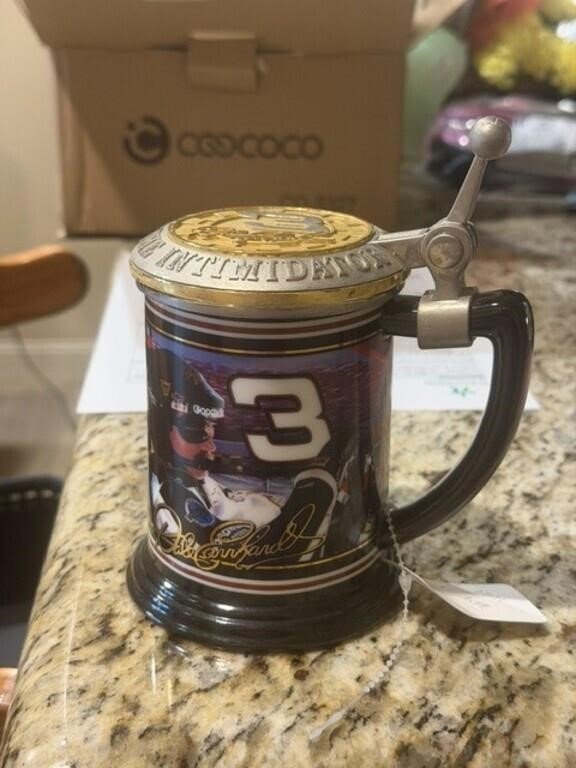
Most antiques reach online auctions through estate auctions, downsizing and collectors selling off. Expect a mix: oak and walnut furniture, pressed and cut glass, crocks and stoneware, sterling and silver plate, cast iron cookware, quilts, advertising signs, postcards, pocket knives and framed art.
Collectibles are the younger cousins: sports cards, vinyl records, die-cast cars, comic books and holiday decorations. The line is loose, but in the trade an antique usually means something about 100 years old or more.
How do you tell if an antique is real?
Photos hide a lot, so look closely and ask questions before the lot closes. If the sale has a preview, go and handle the piece.
- Marks: maker's marks, pottery stamps and silver marks ('sterling' or '925' versus plate marks like 'EP'). A mark helps, but marks can be faked.
- Wear in the right places: even wear on feet, handles and edges looks natural; uniform distressing everywhere often means new.
- Construction: hand-cut dovetails, square nails and saw marks suggest age on furniture; modern screws and staples suggest repair or reproduction.
- Repairs: chips, hairline cracks, glued handles, replaced hardware and refinished surfaces all lower value. Ask the house to note them.
What drives antique prices at auction?
Condition, rarity, maker and current taste do most of the work. Heavy formal furniture and everyday china have fallen out of fashion and can sell cheaply, while mid-century modern pieces, good cast iron and original advertising signs tend to draw more bidders.
Two similar items can land hundreds of dollars apart, so research recent sold prices, not asking prices. Then add the costs: a $400 hammer price with a 15% buyer's premium and 8.25% sales tax comes to $497.95.
How do you get fragile antiques home?
Glass, pottery and framed pieces are the items most likely to break in transit. If the lot ships, check the shipping price on the lot and ask how it will be packed; if it's pickup only, bring boxes, bubble wrap, towels and blankets.
Inspect at pickup before you leave. If something arrives materially different from its description, tell the seller (auction house) and Auktia within 7 days under buyer protection.
Questions people ask
How old does something have to be to count as an antique?
The common rule of thumb is about 100 years. Younger pieces that people still seek out are usually called vintage or collectible.
Are antiques cheaper at auction than in shops?
Often, because a shop has to cover rent and markup while an auction finds today's market price. Popular pieces can still go above shop prices when two determined bidders meet.
Should I trust an appraisal value in the listing?
Treat it as a reference, not a promise. Insurance appraisals are often replacement values, which usually sit above what the same piece sells for at auction.
What if an antique I win turns out to be a reproduction?
Lots are generally sold as is, so do your homework before bidding. If the description said one thing and the item is materially different, raise it with the seller and Auktia within 7 days.
How do I avoid overpaying at an antique auction?
Decide your limit from sold prices, add premium and tax, and enter it as a max bid. Then step away and let the bidding come to you.