












 Bidder's guide
Amazon Return Pallets: What's Inside and What to Pay at Auction
Amazon return pallets are pallets or boxes of customer returns, overstock and shelf pulls that liquidators and auction houses resell in bulk. Contents range from sealed and new to broken. Bid on what you can verify and resell, not the retail value on the listing, and count buyer's premium, sales tax and freight before you set a max.
What's inside an Amazon return pallet?
Shoppers send items back for all kinds of reasons: wrong size, changed mind, arrived late, damaged in shipping or simply didn't work. Retailers can't always put them back on the shelf, so returns, overstock and shelf pulls get bundled by the box, pallet or truckload and sold to liquidators, who often resell them through local auctions.
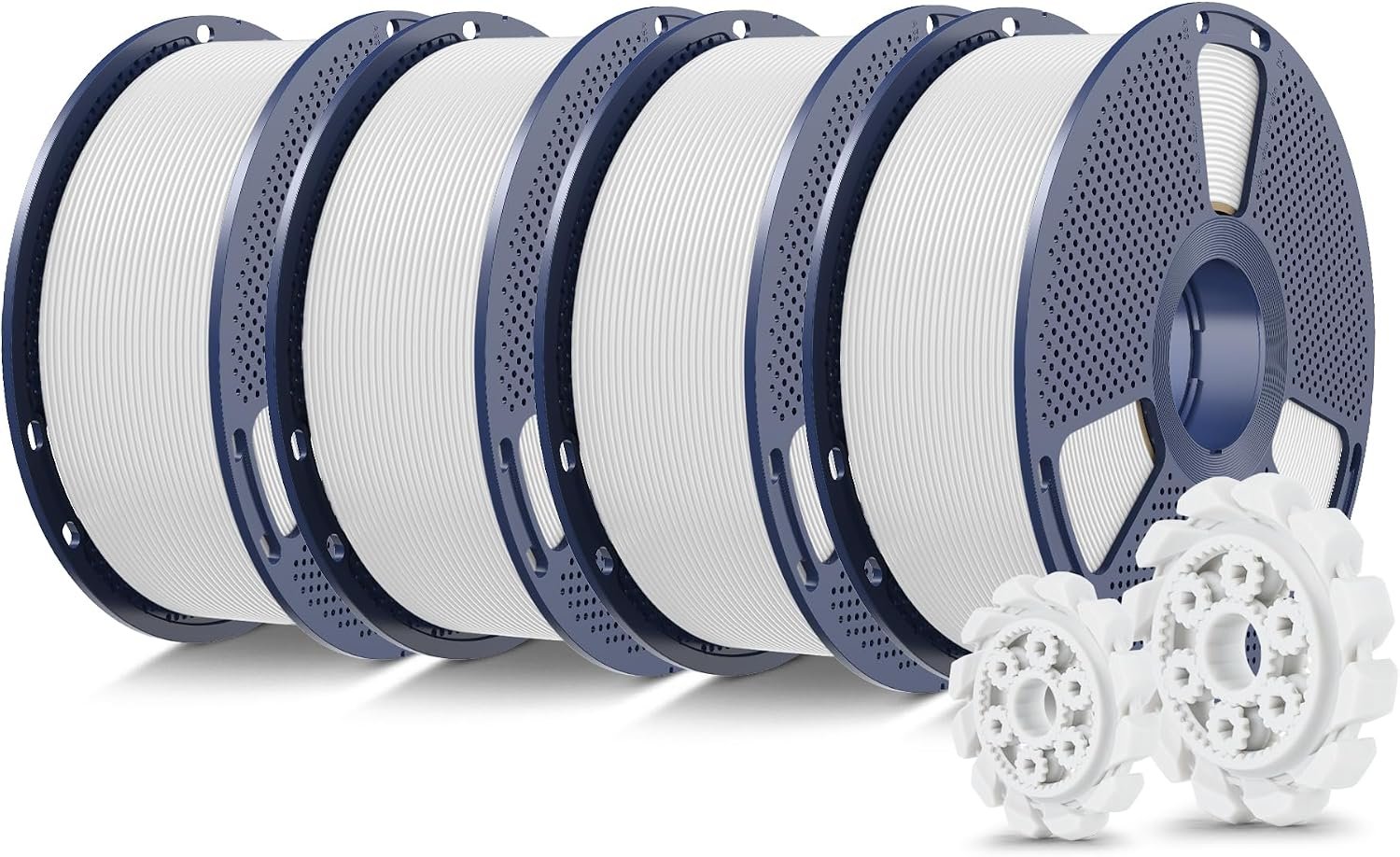
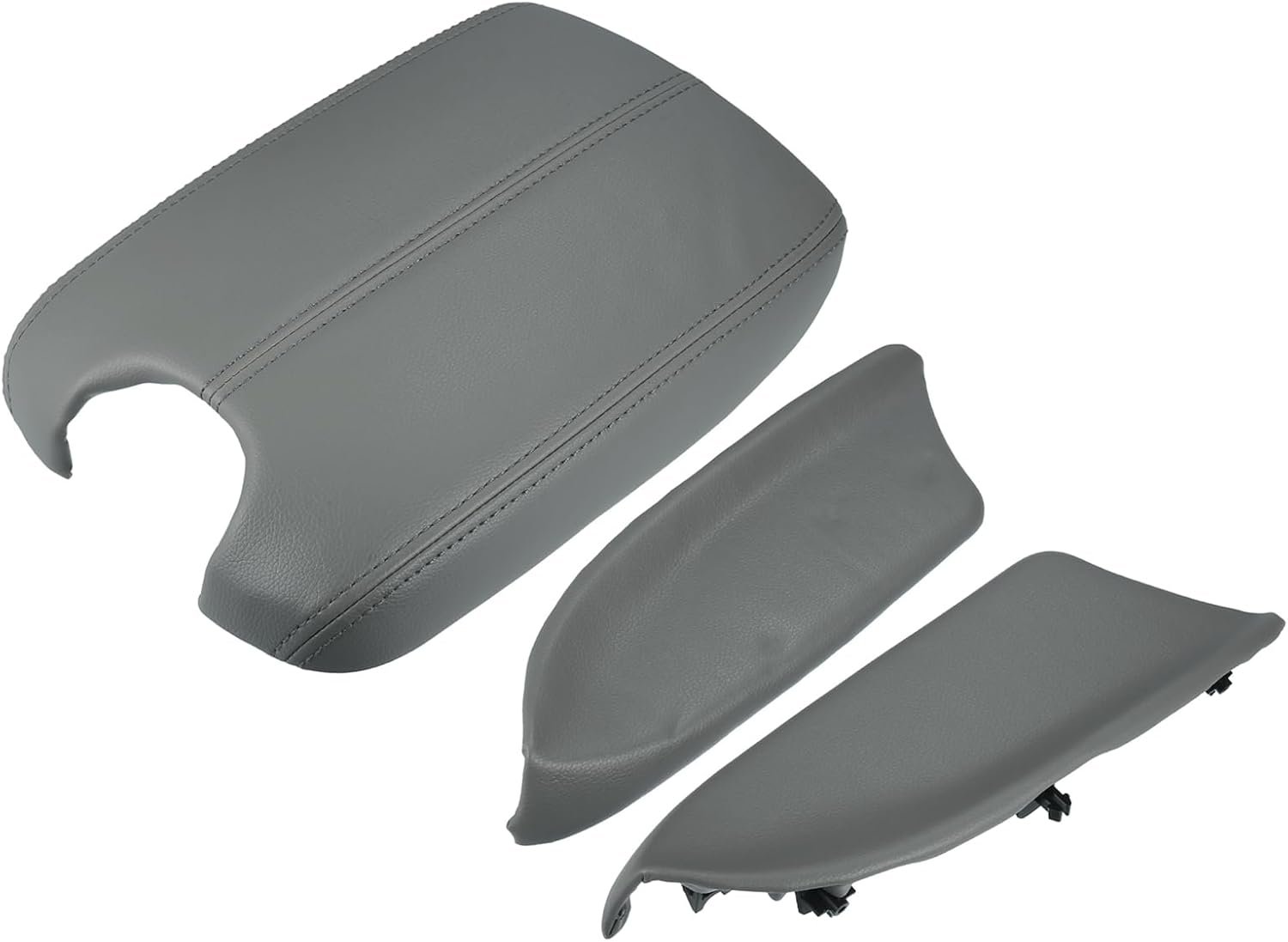
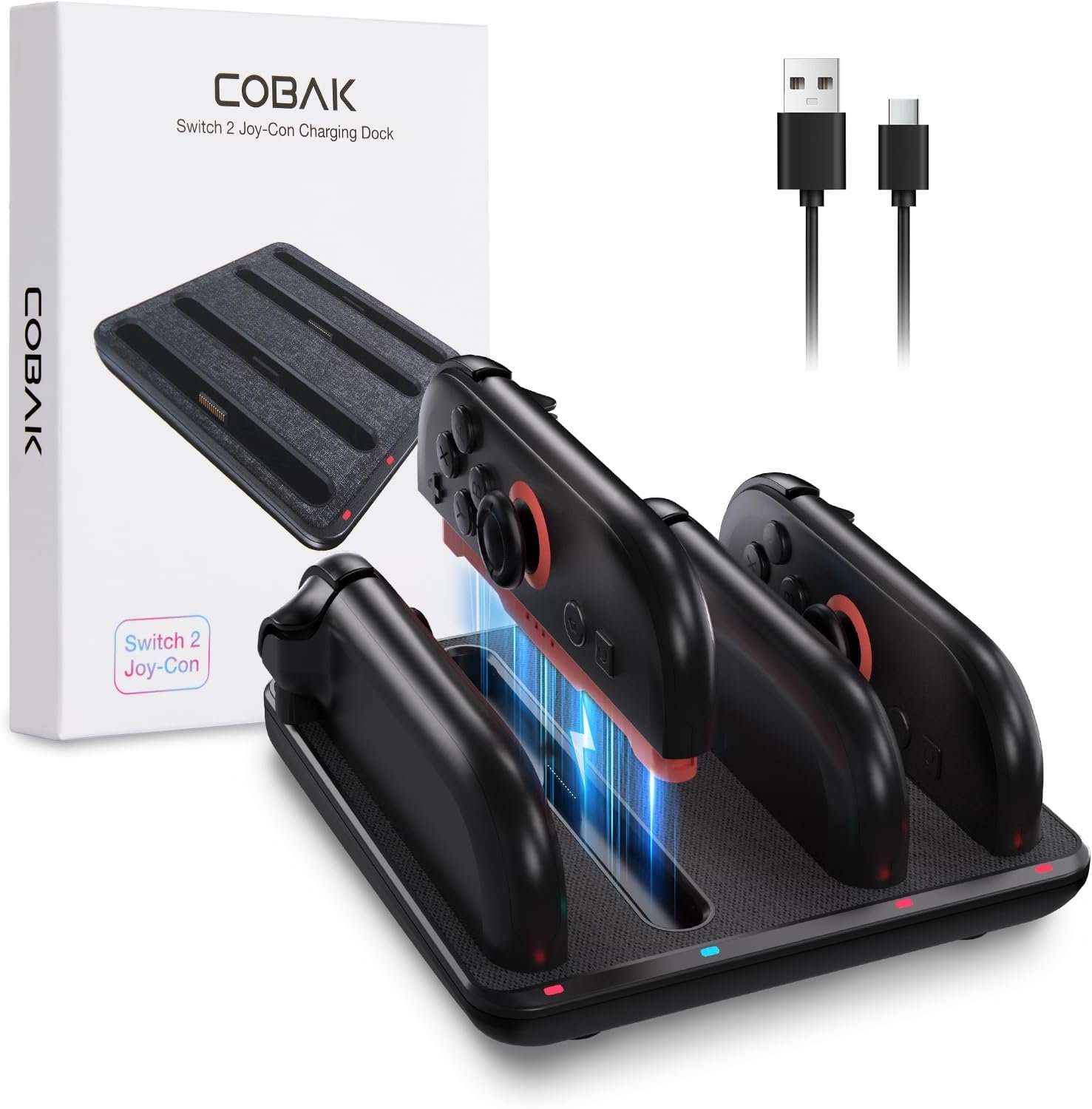
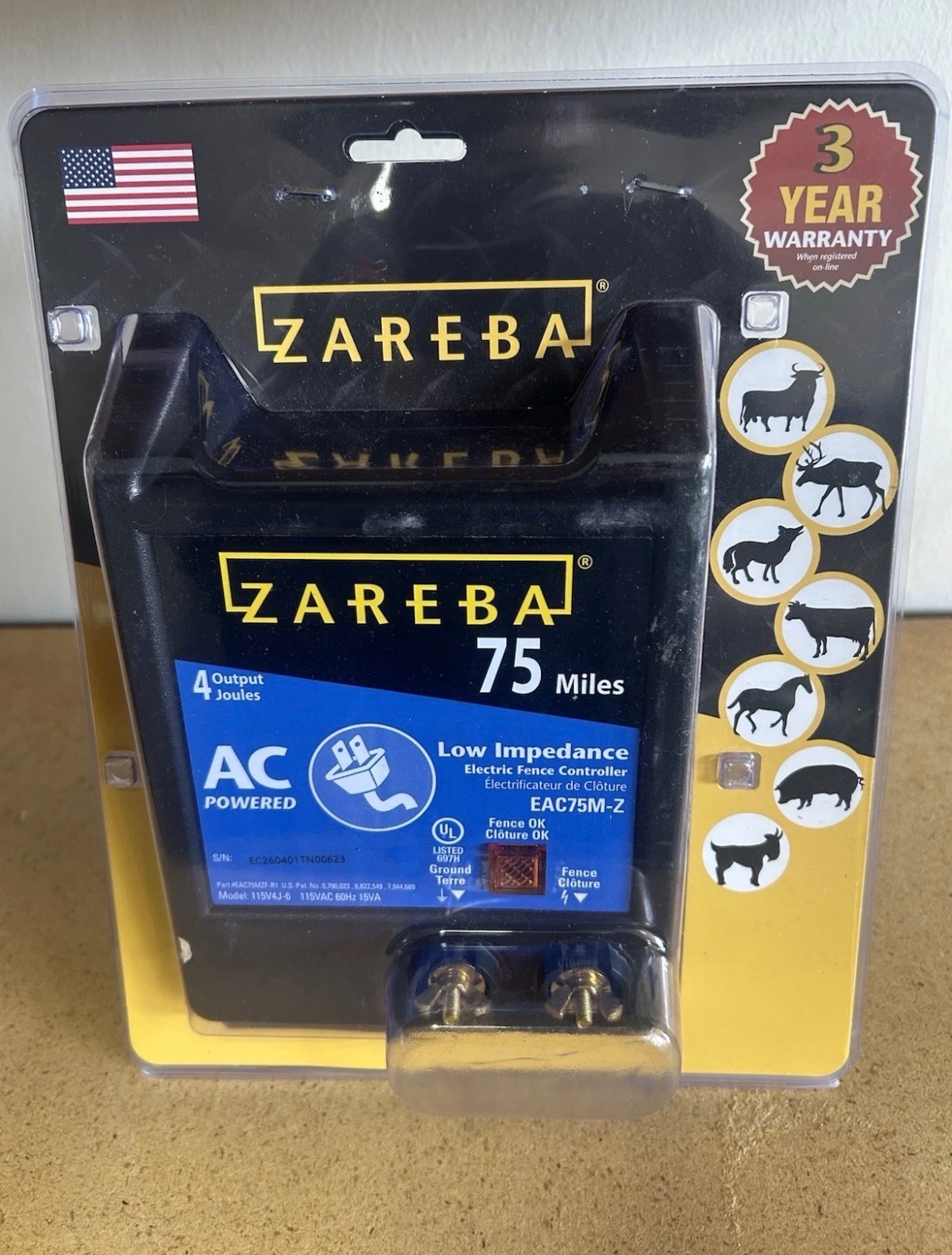
Most items still carry an Amazon X00 sticker, the warehouse label that ties a unit to a product listing. It helps identify the exact product even when the original box is gone. Expect a mix of conditions on almost any pallet:
- Sealed, new-condition items that came back unopened or never sold
- Open box items that are complete and work, but were opened
- Used items with wear, missing manuals or missing accessories
- Damaged or dead items worth parts, or nothing at all
Manifested or unmanifested: which pallet should you buy?
A manifested pallet comes with a liquidation manifest: a list of each item with its ASIN or UPC, quantity and original retail price. An unmanifested pallet is a blind buy. You see the outside of the pallet and a category, nothing more.
A manifest tells you what went onto the pallet, not what condition it's in. Treat it as a ceiling, then discount for returns that won't sell. Unmanifested pallets usually sell for less because the risk is yours, so they suit buyers who resell in volume and can absorb a few duds.
How much should you pay for an Amazon return pallet?
Work backward from what you can resell, never forward from the retail total. A pallet labeled $3,000 retail is not worth anything close to $3,000 to you once you subtract dead items, selling fees, your time and the cost of hauling off what doesn't sell.
Worked example: a manifest shows 60 small household items. You check sold prices and figure 40 of them will sell for about $18 each, or $720, with about $100 in selling costs, leaving $620. To roughly double your money, you cap your all-in cost near $300. With a 15% buyer's premium and 8.25% sales tax, each $1 of hammer costs about $1.245, so a max bid of $240 comes to $298.77 all-in.
If you buy to resell, a Texas resale certificate may let you skip sales tax at purchase. Ask the auction house before the sale closes, and check the rules with the Texas Comptroller.
Where can you buy Amazon return pallets near you?
Online liquidation sites sell full pallets and truckloads, usually shipped by freight. Freight on a single pallet can add hundreds of dollars, so local liquidation auctions with pickup often make the math work for smaller buyers. Many local houses also break pallets down into box lots or single items, which lets you buy only the products you know how to sell.
On Auktia, items (lots) built by scanning a barcode or X00 sticker show the product title, stock photo and retail price, and every price can be shown all-in with the buyer's fee (buyer's premium), tax and shipping included. Use Near me to find returns auctions within driving distance.
What mistakes do new pallet buyers make?
Most losses on return pallets come from a handful of avoidable errors, and nearly all of them happen before the hammer falls.
- Bidding on the retail value printed on the listing instead of realistic resale
- Leaving buyer's premium, sales tax and freight out of the max bid
- Buying categories you can't test, such as electronics, without discounting for dead units
- Having no plan, or no budget, for getting rid of items that won't sell
- Missing the remove-by date and forfeiting a pallet you paid for
- Raising a max bid in the final minutes because the bidding got exciting
Questions people ask
Are Amazon return pallets worth it?
They can be if you price from realistic resale, buy categories you know and have time to test, list and ship. They usually disappoint buyers who pay based on retail value or expect every item to work.
What does retail value mean on a return pallet?
It's the original selling price of everything on the manifest added together. It says nothing about condition, so treat it as a starting point for research, not a measure of what the pallet is worth.
Do Amazon return items work?
Some are brand new and some are broken, and most pallets mix both. Lots marked tested give you more confidence, while untested electronics should be priced as if some won't power on.
Do I pay sales tax on a return pallet in Texas?
Generally yes, on the hammer price plus the buyer's premium, unless you give the house a valid resale certificate. Check with the Texas Comptroller or an accountant for your situation.
Can I see a pallet before I bid?
Many auction houses hold a preview day or will send extra photos on request. Inspecting even a few items in person tells you more about condition than any manifest.