










 Bidder's guide
Auction Preview and Inspection: How to Check Items Before You Bid
An auction preview inspection is a set time, usually before bidding closes, when you can see and handle lots in person. Because most auction items sell as is with no returns, preview is your one chance to check condition, measure, test and spot missing parts. If you cannot attend, study every photo and ask the house questions.
How does an auction preview work?
The house opens its warehouse or the sale site for a few hours, often in the day or two before a timed sale closes. Lots are laid out by number, usually with a tag or label. You walk the floor with the catalog on your phone, look closely at what interests you and note lot numbers. Nothing is sold at preview; you bid online as usual.
The preview date and address are on the sale page. Not every sale has one: some online sales rely on photos, and some houses take appointments instead. The auction preview definition covers the terms houses use.
What should you check at an auction preview?
Your checklist depends on the category. Spend your time on the lots you would actually bid on.
- Furniture: open every drawer, check joints for wobble, look underneath for repairs, sniff for smoke and mildew, and measure height, width and depth.
- Tools: look for missing batteries and chargers, check cords for cuts, turn blades and chucks by hand, and note the model number to look up later.
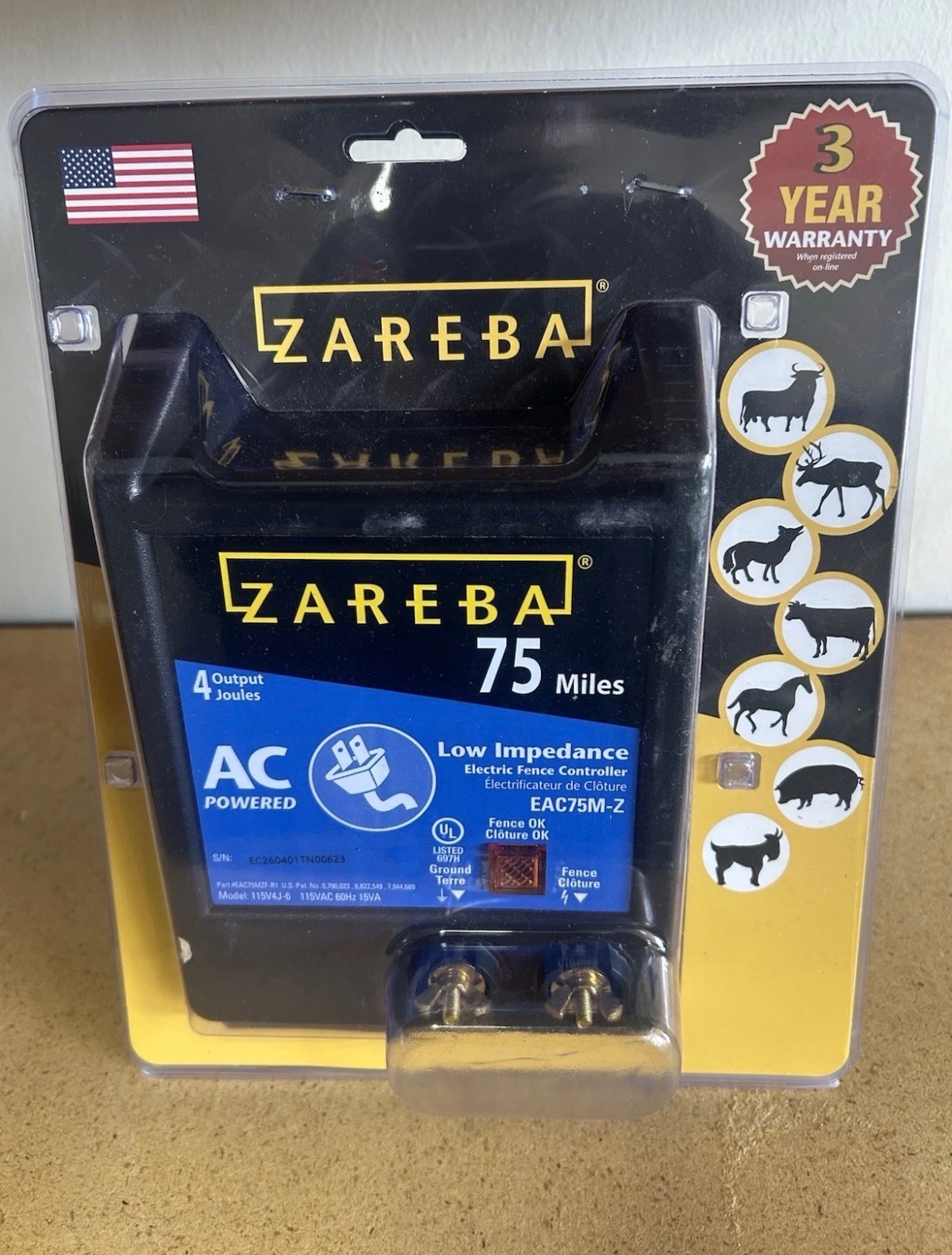
- Electronics: check for the power cord and remote, look at screens for cracks, and ask whether you can plug it in. Note whether the lot is listed as tested or untested.
- Jewelry and watches: look for marks with a loupe, check clasps and settings, and see whether a watch is running.
- Box lots: dig to the bottom. The photo shows the top layer.
What should you bring to an auction preview?
A small kit turns a quick visit into a useful one.
- A tape measure, plus the measurements of the spot at home and your vehicle's cargo space.
- A flashlight for under tables, inside cabinets and the backs of electronics.
- Batteries in common sizes to test small electronics and toys, where the house allows it.
- A jeweler's loupe or magnifier for marks and signatures.
- Your price notes, so you remember what each lot is worth to you when you set max bids.
How do you inspect online auction items you cannot see in person?
Treat the photos as the whole truth and assume nothing outside them. Zoom in on corners, labels, cords and backs. If a lot has two photos of the front and none of the back, ask why. Read condition notes word by word; open box, untested and for parts mean very different things.
Message the house with specific questions: does it power on, are all the pieces there, any odor or pet hair. A clear answer before bidding is worth more than any complaint after. Then look up what a working one sells for and set your max with a discount for whatever you could not verify.
Why does inspection matter so much at auctions?
Auction lots are generally sold as is, where is. That means no warranty and no returns because you changed your mind or missed a flaw that was visible. A $300 dresser with a split back panel is still a $300 dresser when you get it home, plus the cost of fixing it.
On Auktia, buyer protection covers items (lots) that arrive materially different from their description, reported within 7 days. It does not cover what the photos and description already showed, which is why looking first matters.
What red flags should you look for during inspection?
Some problems hide in plain sight. When you spot one of these, either lower your max to allow for the repair or skip the lot.
- Fresh paint or stain on one part of an older piece, which can cover a repair or water damage.
- Mismatched screws, hardware or parts that suggest something was rebuilt.
- Missing serial plates or model labels on tools and equipment.
- Water lines, swelling or warping on the bottom of furniture and boxes.
- Strong smells such as smoke, mildew or pets, which are hard to remove from fabric and wood.
- A sealed box that feels too light for what the label says is inside.
Questions people ask
Is an auction preview free?
Generally yes. Previews are open to the public at no charge, though some houses ask you to register or book a time.
Can I test items at an auction preview?
Often, within limits. Many houses let you plug in electronics or open drawers, but some forbid it on fragile or high-value lots. Ask staff first.
What if I miss the preview?
Rely on photos and questions, and bid more cautiously. A lower max bid is your margin for anything you could not see.
How long should I spend at an auction preview?
Plan about 5 to 10 minutes per lot you seriously want, and more for furniture or equipment. Arrive early, since previews often run only a few hours.
Can I bid while I am at the preview?
In a timed online sale, yes. Bidding happens online, so you can set a max bid from your phone while standing next to the lot.