



 Auctions by category
Coin Auctions: How to Buy Coins and Currency Online
Coin auctions sell US and world coins, proof and mint sets, silver and gold bullion, rolls, paper money and collections, often from estates. Know whether a coin is graded in a sealed holder or raw, watch for cleaning and fakes, compare bullion with its metal value, and add the buyer's premium before you bid.
Open now on Auktia
What comes up at coin auctions?
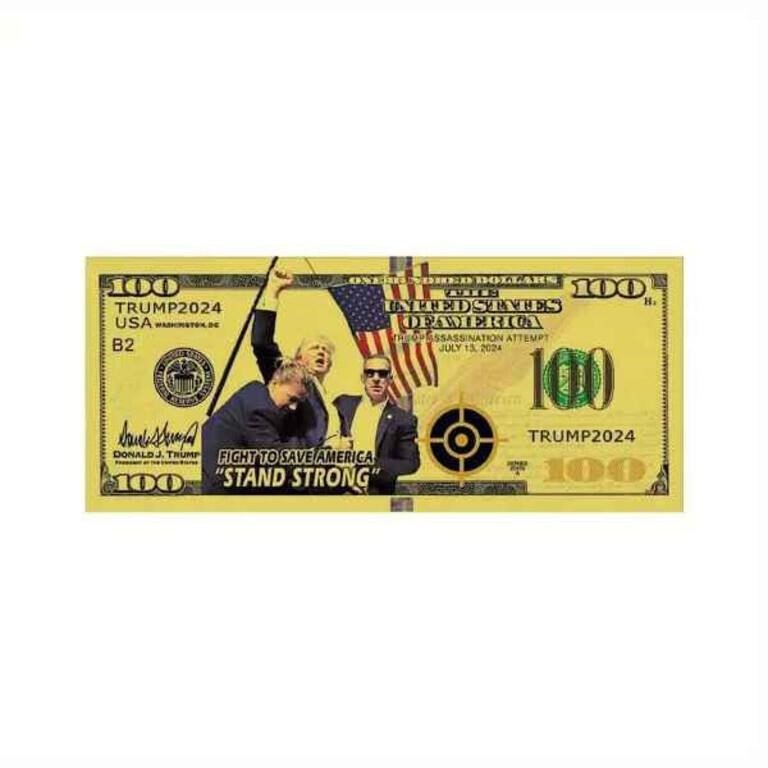
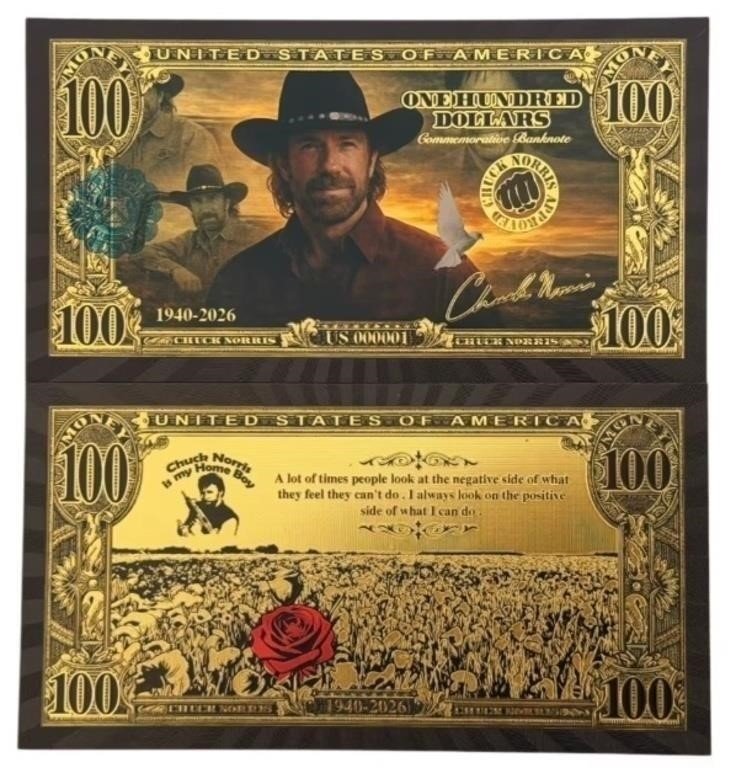
Estate collections are the main source: albums of cents and state quarters, rolls, mint and proof sets, silver dollars, foreign coins, old paper money and the odd gold piece. You'll also see silver rounds and bars, US dimes, quarters and half dollars dated 1964 and earlier (90% silver, called junk silver), and graded coins in sealed holders.
Some lots are single coins; others are whole albums or boxes where a few coins carry the value. Read the description for counts, dates and mint marks.
How are coins graded?
Coin grades run on a 1 to 70 scale. Circulated grades use words like Good, Fine, Very Fine (VF), Extremely Fine (XF or EF) and About Uncirculated (AU); Mint State (MS60 to MS70) means never circulated, and Proof (PR or PF) means a specially struck collector coin.
A slabbed coin has been graded by a third-party grading service and sealed in a labeled holder. A raw coin is ungraded, and the grade in the listing is the seller's opinion, so bid on raw coins as if the true grade could be a step lower.
What should you watch for before bidding on coins?
Most coin mistakes come from trusting a photo too much. Ask for close-ups of both sides and the edge if they're missing, and if the sale has a preview, look at valuable coins in person.
- Cleaning: a cleaned coin often looks unnaturally bright or shows fine hairline scratches, and collectors pay much less for it.
- Fakes and altered dates: most common with rare dates, gold and popular silver dollars. Be careful with any rare coin offered raw at a low price.
- Holders: check that the slab isn't cracked or tampered with, and that the label matches the coin inside.
- Counts: for rolls and bags, confirm the number of coins and whether the roll is sealed or has been searched.
How are coins and bullion priced at auction?
Bullion and junk silver follow the metal price, so check the spot price on the day the lot closes and work out the melt value. On a $500 hammer price with a 15% buyer's premium, you pay $575 before any tax or shipping, so your bid has to leave room under the metal value.
Collector coins sell on date, mint mark, grade and eye appeal, and one grade step can change the price a lot. Research recent sold prices for the same coin and grade, then set a max bid and let Auktia bid for you.
Questions people ask
Do I pay sales tax on coins bought at a Texas auction?
It depends on the item. Texas exempts many precious metal coins and bullion from sales tax, but not every coin or currency lot qualifies, so read the sale's terms and check with the Texas Comptroller or an accountant.
Is a slabbed coin always genuine?
Holders from recognized grading services are the safest bet, but counterfeit holders exist. Check that the label, certification number and coin all match.
Do coin auctions ship?
Coins are small and often ship, with the price on the lot or added to your invoice after the sale. For valuable lots, ask the house about insured shipping and a signature on delivery.
Should I clean coins I win?
No. Cleaning almost always lowers a coin's value to collectors, even when it looks better to you.
What is junk silver?
It's the trade term for US dimes, quarters and half dollars dated 1964 and earlier, which are 90% silver. They usually sell close to their silver value rather than as collector coins.