








 Auctions by category
Jewelry Auctions: How to Buy Jewelry and Watches Online
Jewelry auctions sell rings, chains, earrings, brooches, loose stones and watches, often from estates. Before you bid, read the metal marks (10K, 14K, 18K, 925), check stone and weight details, ask about testing, and treat appraisal values as a reference only. Your all-in cost includes the buyer's premium, sales tax and any shipping.
Open now on Auktia
What jewelry comes up at auction?
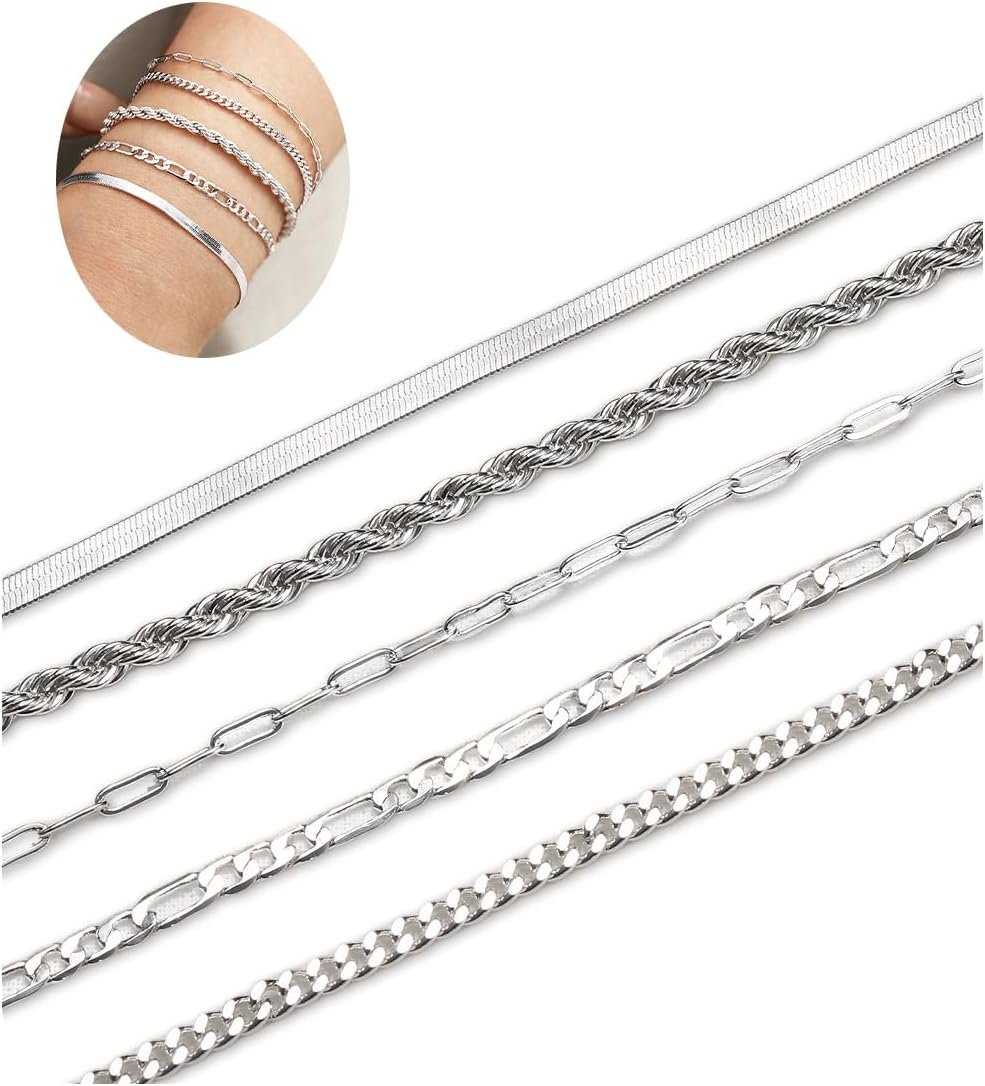
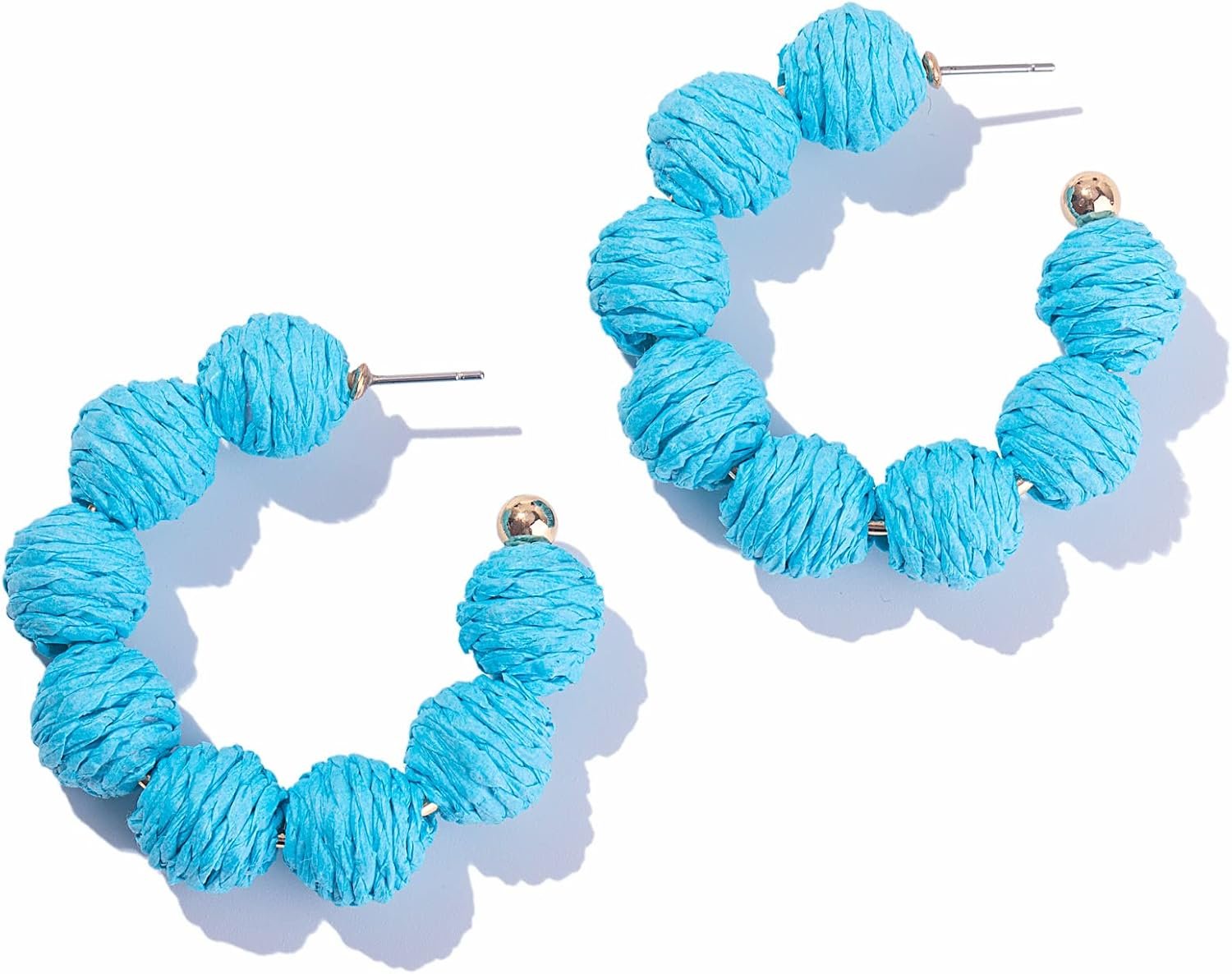
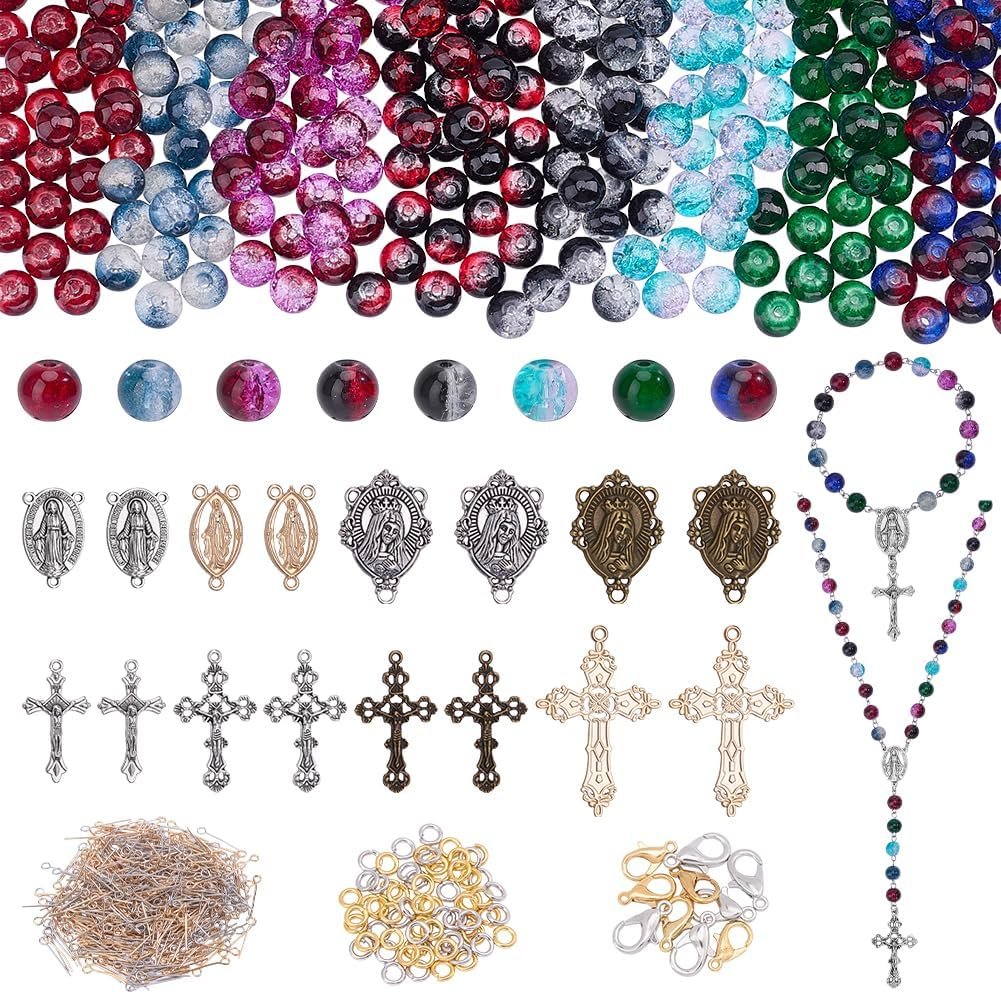
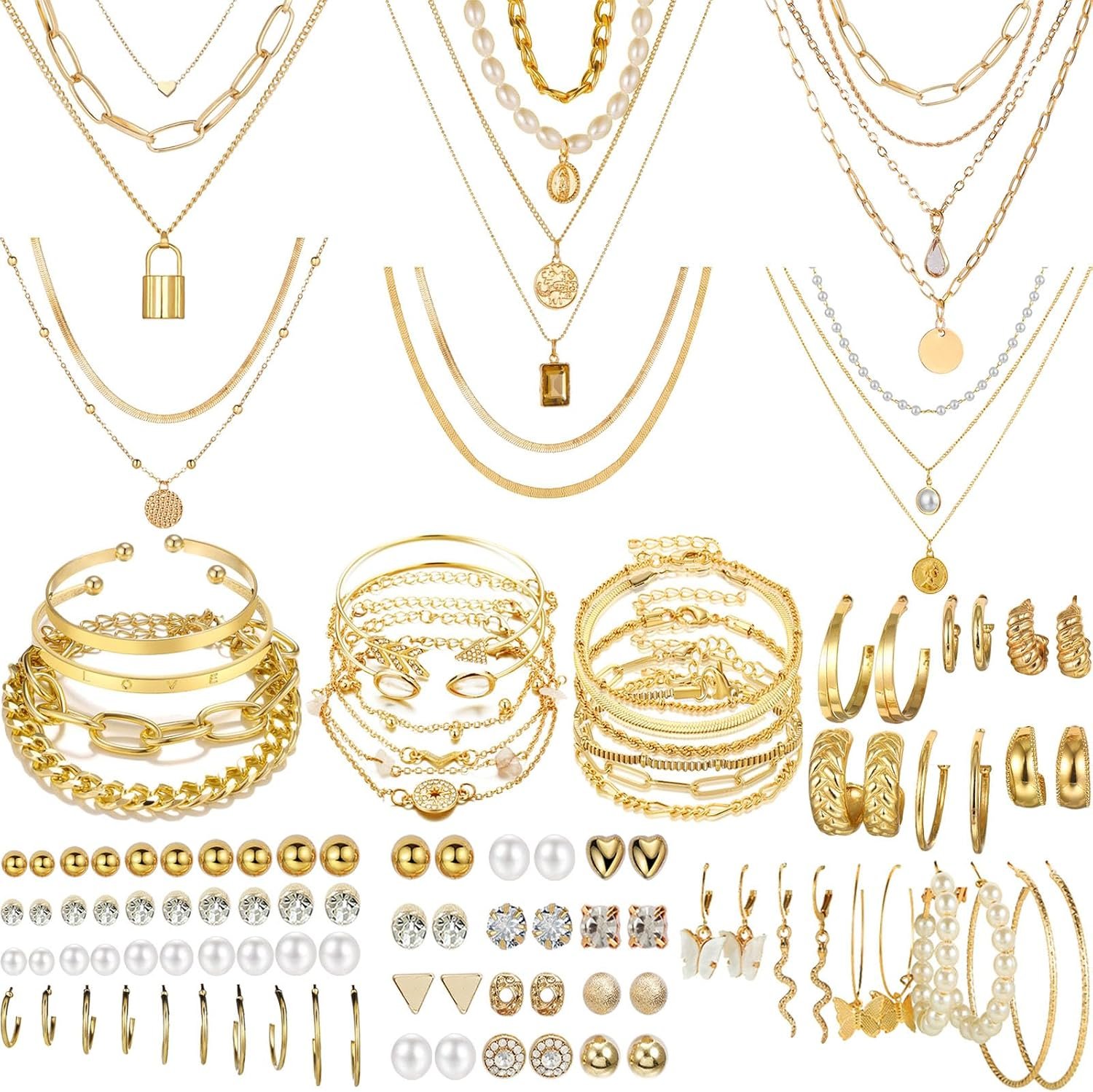
Estate jewelry is the core: gold chains and rings, sterling pieces, costume jewelry by the box, brooches, cufflinks and the occasional diamond or colored stone. Watch lots range from everyday quartz watches to mechanical pieces with or without their box and papers. Some sales also include loose stones and scrap gold sold by weight.
Costume jewelry box lots are cheap and fun, and now and then hide a gold or sterling piece. Fine jewelry lots should state the metal, the weight in grams or pennyweight, and what testing was done.
How do you read jewelry marks and condition?
A mark is a claim, not proof, but it's the first thing to look for. Zoom in on the clasp, the inside of the band and the back of the piece.
- Gold: 10K, 14K and 18K (or 417, 585 and 750) mark solid gold. GF, GP, RGP and HGE mean gold filled or plated, worth far less.
- Silver: 'sterling' or '925' means sterling silver. Silver tone or no mark usually means plated or base metal.
- Stones: ask whether diamonds or gems were tested and whether a report from an independent gem lab comes with the lot. Lab-grown and natural diamonds look alike but price very differently.
- Wear: thin ring shanks, loose prongs, kinked chains and missing stones all add repair costs.
What should you know before bidding on a watch?
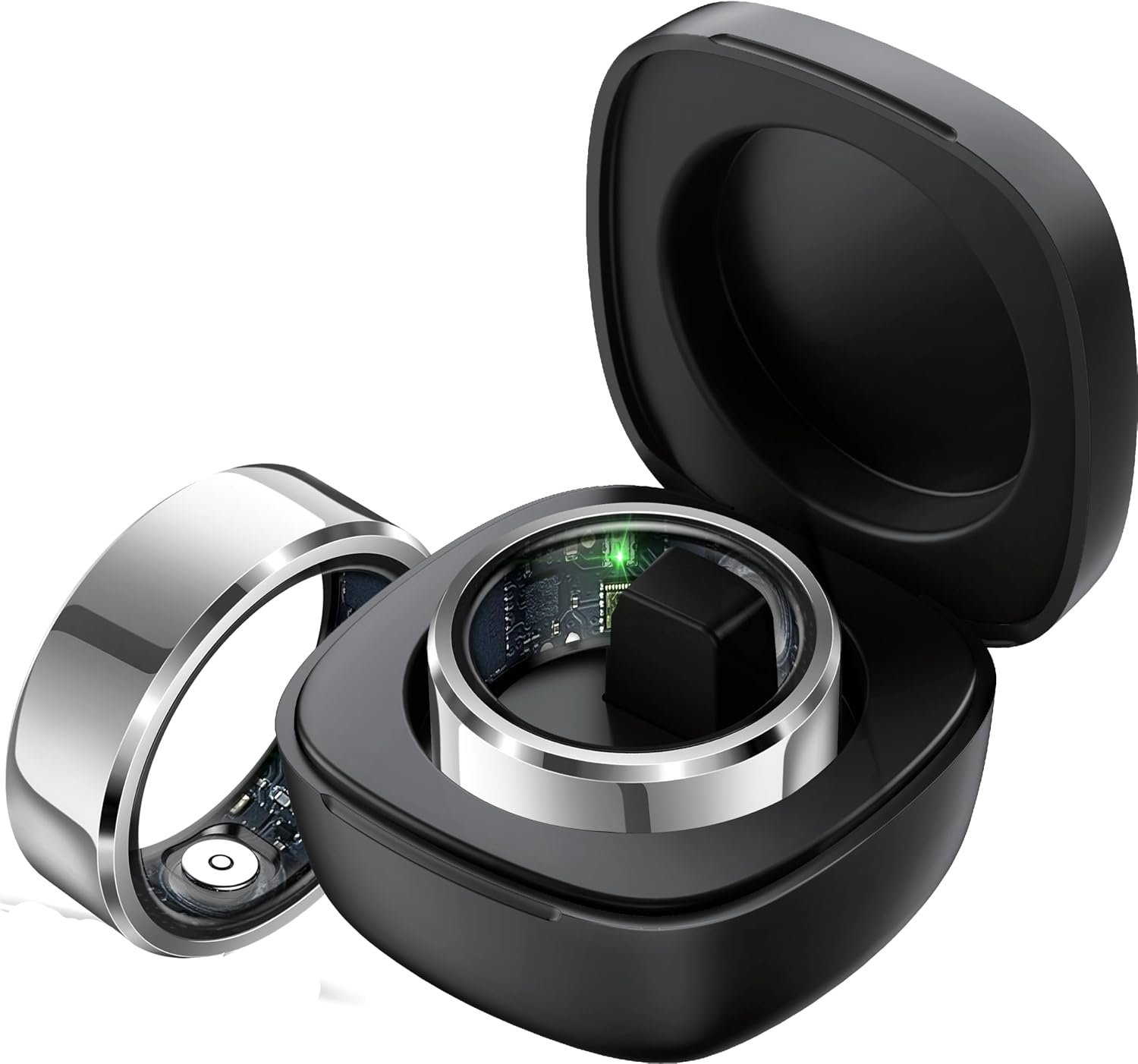
Mechanical watches (automatic or hand-wound) need periodic servicing, and a full service can cost more than an inexpensive watch is worth. Ask whether it runs, when it was last serviced and whether the box and papers are included, which usually adds value on better watches.
Counterfeits exist at every level. Be wary of a luxury watch with a vague description and no close-up photos of the dial, case back and movement.
How much does jewelry sell for at auction?
Plain gold jewelry tends to track the gold price by weight and purity, so bidders often value it near melt plus a little for design. Signed designer pieces, good diamonds and sought-after watches sell on brand and condition instead, and costume jewelry sells on charm.
Do the full math first. On a $1,000 hammer price with a 10% buyer's premium and 8.25% sales tax, you pay $1,190.75 before shipping. Auktia's all-in pricing shows that whole number on the item (lot) as you bid.
Questions people ask
Is it safe to buy jewelry at an online auction?
It can be, if you buy from sales with clear descriptions, metal marks, weights and testing notes, and pay by card. Read are online auctions safe for the warning signs.
Are jewelry appraisals in listings accurate?
An appraisal is often a retail replacement value for insurance, which usually sits well above auction prices. Use it to understand the piece, not to set your bid.
Does auction jewelry ship?
Small items often ship, with a shipping price on the lot or a combined amount added to your invoice after the sale. For valuable pieces, ask the house about insurance and a signature on delivery.
Do I pay sales tax on jewelry at a Texas auction?
Generally yes, on the hammer price plus buyer's premium, unless an exemption applies. See Texas auction sales tax and check with the Texas Comptroller.